
A fresh coat of sealant is often the only thing standing between a minor maintenance task and a five-figure replacement bill. Many property owners assume a grey, brittle surface means it is time for a total tear-out. However, the coastal humidity and salt air of the Maryland climate are often just stripping away the top layer of binder. You might worry that hiring a professional for sealcoating Anne Arundel County will lead to a messy, watered-down application that fails within a year. It is a valid concern, especially since local regulations since 2015 have changed the materials allowed on our local roads and driveways.
This guide shows you how to safeguard your asphalt using professional techniques that prioritize structural integrity and long-term durability. We explain why modern asphalt-based sealers are the standard for local properties and how to identify the right time for maintenance. You will learn how a methodical application creates a dark, uniform finish that blocks water and oil. This process helps you maintain curb appeal while avoiding the high cost of full asphalt replacement.
Key Takeaways
- Identify the specific environmental factors in Maryland that cause asphalt to oxidize and crack over time.
- Compare hand-applied and spray techniques to determine which application method provides the best protection for your pavement.
- Timing is essential for success. Learn why you must wait twelve months before applying a sealant to newly paved surfaces.
- Professional sealcoating Anne Arundel County services depend on a thorough preparation process to prevent premature peeling and surface failure.
- Discover how a family-owned approach to maintenance provides the accountability and quality workmanship needed for a lasting finish.
Protecting Asphalt Surfaces in the Anne Arundel County Climate
Sealcoating is a liquid mixture of asphalt cement or refined coal tar pitch. If you are researching What is Sealcoating?, it is best understood as a protective shield for your pavement. This liquid barrier is applied directly to the surface of the asphalt. It creates a layer that absorbs the daily wear and tear from the environment. For homeowners and business owners considering sealcoating Anne Arundel County, understanding the local climate is the first step in maintenance. Our proximity to the Chesapeake Bay means we deal with high humidity and salt air. These factors can speed up the aging of your pavement.
Flexible by design, asphalt relies on a heavy petroleum-based binder to hold the stones together. This elasticity allows the surface to support heavy vehicles without snapping. However, asphalt becomes brittle when it is left unprotected. Exposure to oxygen and ultraviolet light causes the binder to dry out. A professional sealant acts as a sacrificial layer. It takes the damage from the sun and rain so that the structural asphalt remains flexible and strong underneath. This proactive approach prevents the pavement from becoming a liability.
The Role of Moisture and the Freeze-Thaw Cycle
Water is the primary enemy of any residential driveway or parking lot. It seeps into the tiny pores and cracks of the asphalt. During a typical Maryland winter, the temperature often fluctuates above and below the freezing point. When water inside the pavement freezes, it expands. This expansion creates internal pressure that forces cracks to grow wider and deeper. Anne Arundel County experiences these cycles frequently. Sealcoating fills the small surface voids. It prevents water from reaching the stone base where it can cause the most significant structural damage.
Combating Oxidation and Chemical Damage
The sun is a constant source of degradation. Ultraviolet rays work to break down the molecular bonds of the asphalt binder. You can easily spot this damage by looking at the color of your pavement. Gray asphalt is a primary indicator that the surface has become brittle. Once the oils are gone, the surface is much more likely to crack under pressure. Chemical spills also pose a threat. Since asphalt is made of petroleum, gasoline and oil spills will dissolve the binder. A high-quality sealcoating application in Anne Arundel County creates a barrier that resists these chemicals and keeps the surface intact.
The Technical Choice Between Hand-Applied and Spray Methods
The physical application of the sealant is just as important as the quality of the material itself. When you schedule sealcoating in Anne Arundel County, the method chosen determines how well the product bonds to the underlying asphalt. There are two primary techniques used in the industry: hand application and spray application. Each serves a specific purpose, but they offer different levels of protection and durability. The application method directly affects the thickness and uniformity of the protective layer. A thicker application provides more material to resist the constant friction from vehicle tires and the heavy blades of snowplows during the winter months.
Hand-applied sealcoating utilizes large brushes or squeegees to spread the material across the pavement. This manual process allows the contractor to work the sealant deep into the asphalt’s pores. In contrast, spray applications use a pressurized wand to coat the surface. While spraying is common in large commercial parking lots because of its speed, it often lacks the mechanical bond achieved with hand tools. A craftsman who uses a brush can ensure that the sealant reaches the bottom of every small pit and crevice in the surface. This creates a unified barrier that is much harder for water to penetrate.
Why Hand-Applied Brushing Often Surpasses Spraying
Hand-applied brushing surpasses spraying for several technical reasons. The primary benefit is the physical force that pushes the sealant into the asphalt’s texture. This creates a stronger physical bond that is less likely to peel or flake away over time. Hand tools also provide superior precision. Workers can navigate around sidewalks, garage doors, and landscaping without risking overspray on your home or stone borders. To work through a spray nozzle, the sealant must often be thinned with extra water. This thinner consistency can shorten the finish’s lifespan. If you have questions about which method suits your property, you can speak with a local specialist to discuss your specific needs.
Identifying Quality in the Application Process
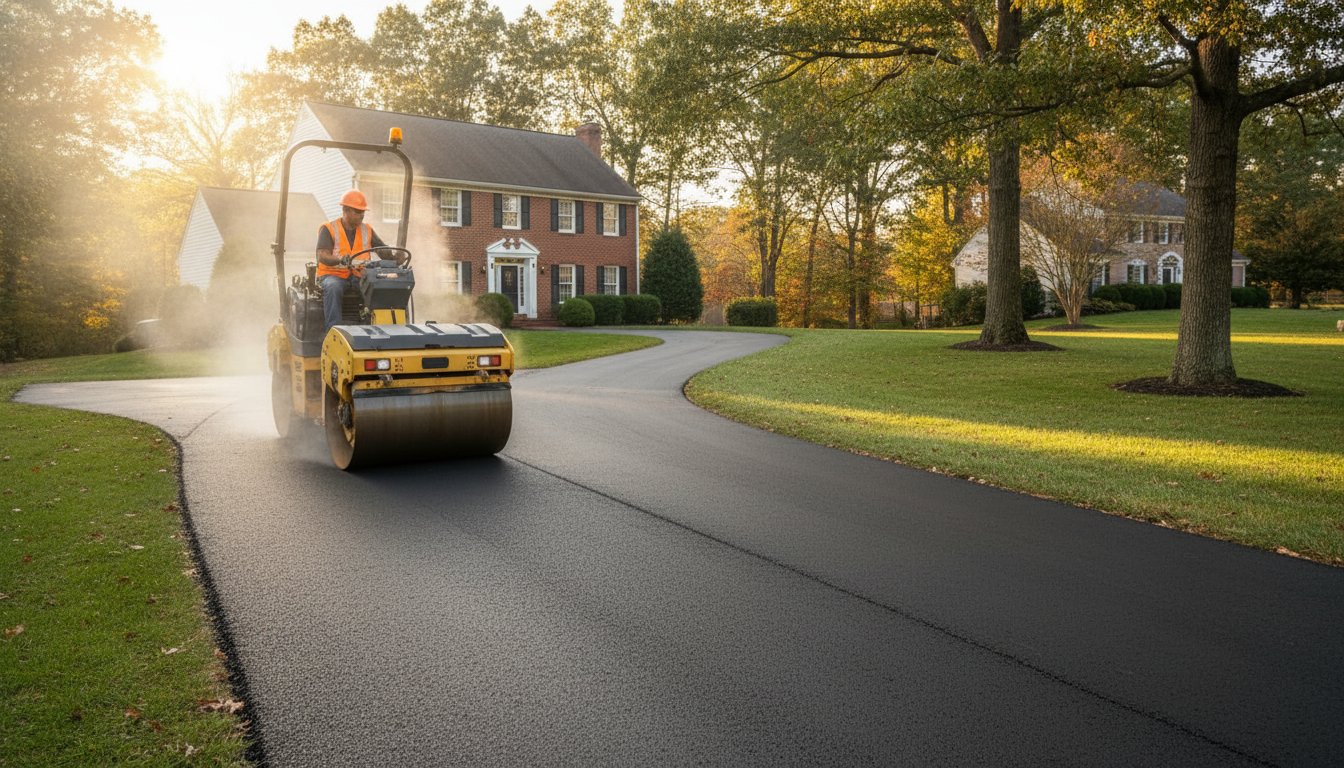
You can identify a high-quality job by examining the final texture and edges. A professional application results in a matte black finish that is free of visible streaks, puddles, or brush marks. The edges should be clean and crisp, ensuring that the sealant covers every inch of the pavement right up to the grass or concrete borders. A professional-grade sealcoat should have the consistency of heavy cream, allowing it to flow into small crevices while maintaining enough body to leave a substantial protective layer. This uniformity is the hallmark of a business that views the work as a craft and your driveway as a long-term partnership.

Determining the Ideal Schedule for Pavement Maintenance
Most homeowners want to protect their investment immediately after a new residential driveway installation. However, patience is required. New asphalt requires a 12-month curing period before the first sealcoat application. This duration allows the light oils in the asphalt mix to evaporate and the surface to harden. When planning sealcoating in Anne Arundel County, waiting for a full year ensures the pavement has reached the necessary stability to support a protective layer. If you apply a sealant too early, you trap these oils inside. This leads to a surface that remains soft and becomes prone to scarring from car tires or heavy equipment.
Once the initial curing is complete, a regular maintenance cycle begins. Most residential properties in Maryland benefit from a fresh coat every two to three years. This timeframe serves as a flexible guideline. The specific needs of your pavement depend on the volume of traffic and the amount of daily sun exposure the area receives. A driveway shaded by trees might last longer than one baking in direct sunlight all afternoon. Consistent maintenance helps preserve the dark finish and prevents the structural binder from becoming brittle over time.
Signs That Your Asphalt Requires Immediate Attention
You don’t always need to wait three years before taking action. Your pavement will show visible distress signals when the binder begins to fail. Hairline cracks are the first signal. These small openings indicate the asphalt is losing its internal moisture and flexibility. Another warning sign is raveling. This occurs when you notice loose stones or sand-like aggregate collecting on the surface. It means the binder is no longer holding the stones together. Finally, look at the color. Severe fading from deep black to light gray indicates significant oxidation. At this stage, the surface is brittle and at high risk for water penetration.
Seasonal Timing for Optimal Adhesion
The success of sealcoating Anne Arundel County also depends on the weather during application. Sealants are water-based emulsions that require specific conditions to cure properly. The work must be performed when the ambient temperature remains above fifty degrees for at least twenty-four hours. In the Gambrills area, spring and autumn are the peak seasons for this work. The mild temperatures allow the material to dry evenly without the extreme heat of mid-summer. Moisture is the biggest threat during the curing phase. Rain within twenty-four hours of application can wash away the sealant before it has a chance to bond. Professionals monitor local forecasts closely to ensure a dry window for the best results.
Essential Preparation Steps for a Successful Sealcoat
The longevity of a finish depends almost entirely on what happens before the first drop of sealant hits the pavement. Preparation is the most critical phase of the process. You can use the highest grade materials available, but they will fail if applied to a compromised surface. A dirty surface prevents the sealant from bonding to the asphalt properly. This lack of adhesion leads to premature peeling and flaking. For homeowners looking into sealcoating in Anne Arundel County, understanding this preparatory stage helps you distinguish between a rushed job and a professional application.
Cleaning and Surface Debris Removal
The first step involves a deep cleaning of the entire area. Professionals use power blowers and industrial wire brooms to remove dirt, sand, and organic matter from asphalt pores. Any debris left behind acts as a barrier, preventing the sealant from reaching the stones. Oil spots are another common issue that requires special attention. Gasoline or motor oil from parked cars can eat through the asphalt binder. These spots require a specialized primer to neutralize the chemicals. Without this primer, the oil will bleed through the new coat, causing it to fail. We also pay close attention to vegetation. Any weeds or grass growing in the cracks must be removed entirely. If left in place, the plants will continue to grow and push through the new sealant within weeks.
The Importance of Crack Filling and Repair
Crack filling is a separate, essential step that must be performed before the main application. We use hot-applied rubberized crack fillers to bridge gaps larger than a quarter inch. This material remains flexible after it cools, allowing it to expand and contract with the pavement. Proper crack sealing prevents water from undermining the residential driveway base. If water reaches the gravel beneath, it can erode the support and lead to sunken spots or potholes. In some cases, addressing site grading issues is necessary to prevent water from pooling on the newly sealed surface. Standing water is a major cause of asphalt degradation.
Property owners play a role in this process as well. To ensure smooth operations, you should clear the area of all vehicles and equipment at least 2 hours before the crew arrives. It is also vital to turn off automatic sprinkler systems. Even a small amount of water on the surface can ruin the sealant’s bond. If you’re ready to begin your pavement maintenance project, you can request a professional assessment to see what preparation your surface needs.
Selecting a Reliable Family-Owned Contractor in Gambrills
Choosing a partner for your pavement maintenance affects your home for years. When you schedule sealcoating in Anne Arundel County, you want a team that understands the local landscape. Capital Paving & Sealcoating has served this area since 1956. We operate as a family business, which brings a level of personal care that larger corporations often lack. Our family name is tied to every project we complete. This commitment ensures you receive honest advice about the actual state of your asphalt. We view our customers as long-term partners in property preservation.
We combine the heavy equipment of a large firm with the traditional standards of a small shop. This balance means we can handle complex commercial projects while keeping the personal touch our customers expect. Reliability comes from consistent results and clear communication throughout the process. We rely on a long history of local work and a portfolio of successful projects to demonstrate our standards. You deserve a partner who views your driveway as a craft project. This mindset leads to a more durable surface and a better experience for the property owner. We avoid shortcuts that lead to thin coatings or messy edges that can ruin your curb appeal.
The Legacy of Quality Asphalt Workmanship
Experience over several decades provides a deep understanding of local soil and the Maryland weather. We know how the high humidity near the Chesapeake Bay changes how materials bond to the surface. Our business was founded in 1956 and remains deeply rooted in this community. This longevity means we have seen how various methods perform over thirty years in our specific environment. We build long-term relationships by doing the job correctly the first time. Our goal is to ensure the structural integrity of your pavement remains intact for the maximum possible lifespan.
Taking the Next Step for Your Property
Requesting a professional evaluation is the first step toward preventing costly pavement replacement. A technician will inspect your surface to identify areas that require specific repairs or detailed cleaning. You will receive a clear estimate that explains the cleaning, crack filling, and application steps. This clarity ensures you know exactly what to expect before the work starts on your property. If your surface has reached the end of its life, we can discuss a new driveway installation in Anne Arundel County. Contact us to schedule a consultation and learn more about protecting your asphalt investment with professional sealcoating services in Anne Arundel County.
Securing the Future of Your Pavement
Maintaining asphalt in the Chesapeake region requires more than a cosmetic fix. It is a structural necessity. You now understand that the right timing and meticulous preparation are the foundations of a successful project. By choosing hand-applied techniques over thinner spray methods, you ensure a thicker protective layer that withstands Maryland’s freeze-thaw cycles. This approach keeps the binder flexible and prevents water from reaching the stone base.
Capital Paving & Sealcoating has been family-owned and operated since 1956. We specialize in hand-applied methods that deliver superior durability for properties in Annapolis, Gambrills, and throughout the region. Our team understands that professional sealcoating Anne Arundel County is a craft that requires patience and precision. A dark finish is a significant visual benefit, yet the true goal remains the long-term preservation of your property.
Request a Professional Sealcoating Estimate Today
Taking action now prevents the high cost of total replacement and keeps your property looking its best for years to come.
Frequently Asked Questions
How long should I stay off my driveway after it has been sealcoated?
You should wait at least 24 hours for foot traffic and 48 hours before driving a vehicle on the surface. These timelines can vary based on humidity and sun exposure. High humidity in the Chesapeake Bay area can significantly slow the curing process. If you turn your tires on a fresh coat too soon, you may leave permanent scuff marks. It is best to err on the side of caution to protect your investment.
Will sealcoating fill in the large cracks or potholes in my asphalt?
Sealcoating is a liquid barrier and is not designed to fill large cracks or potholes. These structural issues require separate treatments, such as crack patching or pothole repair, before the sealant is applied. The sealant is a thin film that follows the pavement’s contour. If you apply it over a hole, the hole will still be there, just colored black. Proper preparation ensures these gaps are sealed with rubberized fillers first.
Why does my new sealcoat look streaky or have different shades of black?
Streaks or variations in shade are common during the initial drying phase. Different parts of your driveway receive varying amounts of sunlight and wind, which causes the water in the emulsion to evaporate at different rates. Shaded areas under trees or near the house will stay dark longer than sections in direct sun. Within a few weeks of consistent weather, the finish will cure into a uniform matte black appearance.
Can I apply sealcoat myself, or should I hire a professional contractor?
Hiring a professional is recommended due to the grade of the materials and equipment used. Retail products sold in buckets are often lower in solids and lack the durability of industrial mixtures. A professional contractor specializing in sealcoating Anne Arundel County uses specialized tools to ensure an even bond. This expertise prevents common DIY mistakes, such as puddling or poor surface cleaning, that can cause the sealant to peel off within a year.
What happens if it rains shortly after my driveway is sealed?
Rain within the first 24 hours can wash the liquid sealant off the asphalt and into your lawn or drains. Because the material is water-based, it must fully evaporate to bond with the surface. If a sudden storm occurs, the coat may become spotted or streaky. Professional crews monitor local radar closely to ensure a clear window. If moisture interferes with the cure, a second application is usually necessary to restore protection.
Does sealcoating make the asphalt surface slippery when it is wet?
A professional sealcoat mixture includes silica sand to provide traction and prevent the surface from becoming slippery. Without this additive, the sealant’s smooth film can be slick when it rains. The sand also helps to fill small voids and increases the wear resistance of the coat. We ensure the sand-to-gravel ratio is balanced so the driveway remains safe for both pedestrians and vehicles during wet weather.
Is there a difference between commercial grade and residential grade sealant?
Commercial-grade sealants often contain higher concentrations of solids and specialized polymers to withstand heavy truck traffic. Residential mixtures are formulated to provide a deep black finish and resist oil drips from passenger cars. Both grades focus on protecting the asphalt binder from UV rays and moisture. The primary difference lies in the additives used to handle the specific friction and weight loads of a parking lot compared to a private driveway.
How much does professional sealcoating typically cost for a standard driveway?
The cost of professional maintenance is determined by the total square footage and the amount of preparation required. Factors such as the number of cracks to be filled and the presence of oil stains will influence the final estimate. While store-bought buckets might seem cheaper, a professional application’s longevity often makes it more affordable over time. An on-site evaluation is the only way to get an accurate quote for your specific property.