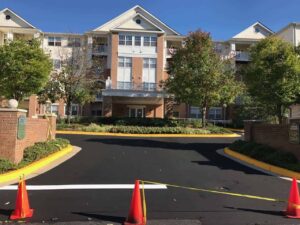
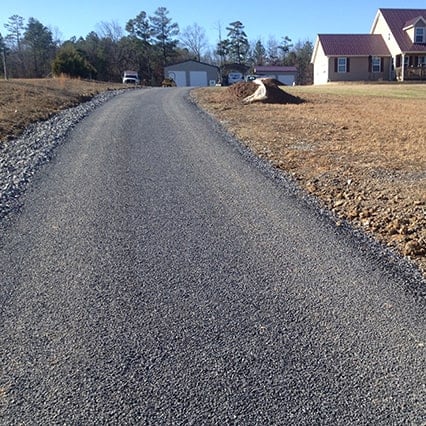
Asphalt milling removes the damaged top layer of a driveway or parking lot before new asphalt goes down. The process uses a specialized machine that grinds away between 1 and 3 inches of deteriorated surface, leaving a textured base that bonds properly with fresh asphalt. This differs from complete removal and replacement, which tears out everything down to the dirt and rebuilds from scratch.
The distinction matters because most residential driveways fail at the surface while the gravel base underneath remains sound. Milling addresses the actual problem without the expense of excavating and rebuilding the foundation. A contractor who automatically recommends complete replacement for every project is either inexperienced or dishonest.
Why Patching Eventually Fails
Asphalt deteriorates from the top down. Water seeps into small cracks, freezes and expands, then melts, allowing more water to seep deeper into the structure. UV radiation breaks down the binding compounds that hold the aggregates together. Traffic pressure pushes against weakened areas. Over several years, the entire surface layer becomes compromised.
Patching addresses individual spots but leaves the surrounding deteriorated asphalt intact. The new patch material bonds to a weak, degraded surface. Water continues working its way through the old asphalt around the patch. Within months, the edges of the patch begin separating. The patch itself may remain intact while everything around it continues failing.
This creates the patchwork appearance that signals neglect to anyone looking at the property. More importantly, it means you keep paying for repairs that provide only temporary relief. Milling eliminates the compromised layer, which stops the cycle of repeated failures.
How Base Condition Determines the Approach
The gravel foundation beneath the asphalt determines whether milling works or whether deeper intervention is required. A properly compacted base remains firm under vehicle weight and resists settling over time. When the surface asphalt fails but the base remains stable, milling and overlay provide a complete solution.
Base failure shows up as significant depressions where vehicles park regularly, soft spots that feel springy underfoot, or areas where the asphalt has sunk several inches. These problems indicate the gravel has shifted, settled, or washed away. No amount of surface work will fix structural problems in the foundation.
A reputable contractor assesses base integrity before quoting a project. This may involve removing a small section of asphalt to inspect the gravel underneath, or simply using experience to read the visible signs of base problems. Contractors who quote based on square footage alone without examining the existing conditions are guessing at what the project actually requires.
The Milling and Paving Process
The milling machine moves across the surface grinding away the top layer. Rotating teeth pulverize the old asphalt, which a conveyor system collects and delivers to trucks for recycling. The machine can remove precise depths, typically removing 1 to 2 inches for residential work. What remains is a rough, textured surface that provides mechanical grip for the new asphalt layer.
Crews inspect what the milling exposed. They look for soft spots, areas where the base has settled, or sections where water has washed away supporting material. Sound gravel gets compacted again. Problem areas get excavated and rebuilt before paving begins.
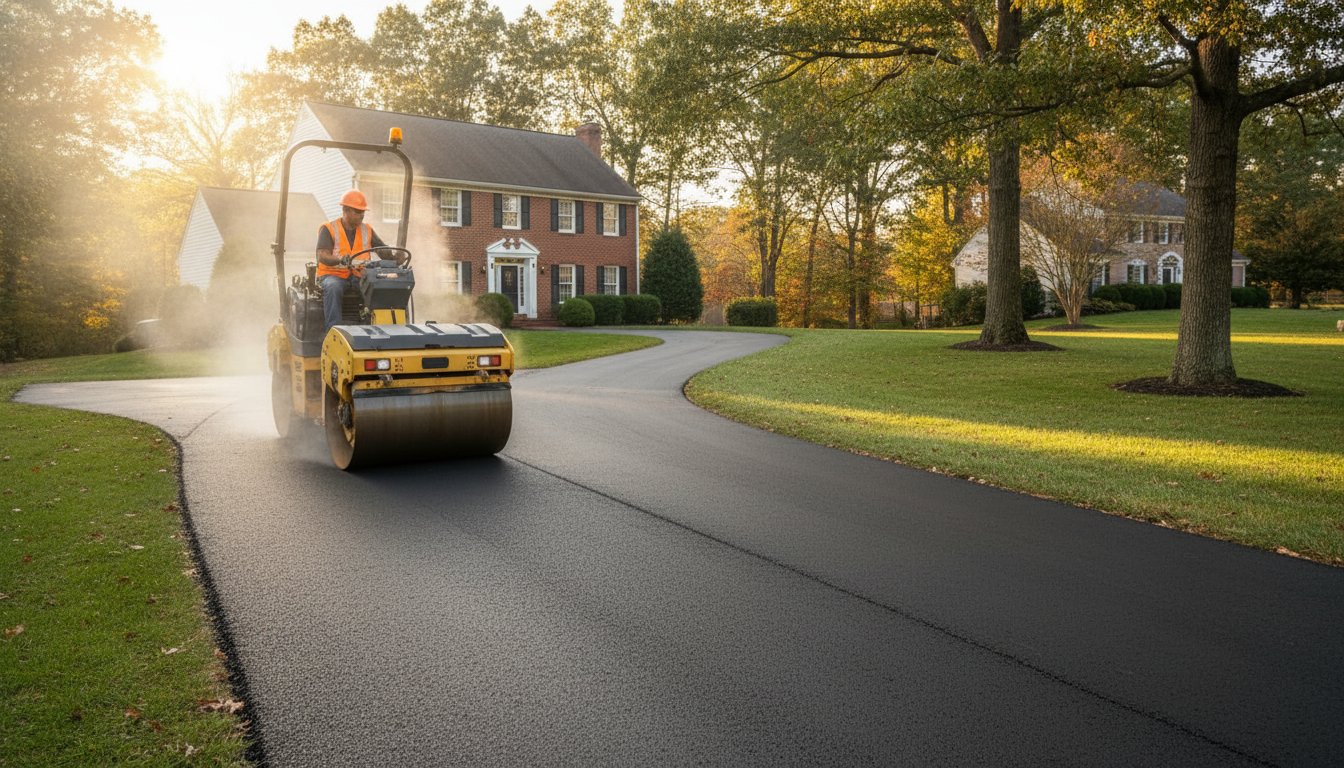
The new hot mix asphalt arrives at temperatures between 275 and 300 degrees. Crews spread it across the prepared surface, grading as they go to direct water away from structures. A heavy roller compacts everything, which forces the new asphalt to bond with the milled base and removes air pockets that would allow water infiltration.
The surface becomes firm enough for foot traffic within hours. Vehicles can drive on it after 24 hours in most conditions, though full curing continues for weeks. During this period the asphalt gradually hardens as it cools completely and the binding compounds cure.
Overlay Thickness and Longevity
The depth of new asphalt applied affects how long the installation lasts. A thin overlay of one inch costs less initially but may not withstand heavy use or harsh climate conditions. The material has less mass to distribute loads and fewer inches to wear down before the base becomes exposed again.
A standard two-inch overlay provides good value for most residential driveways. This thickness handles normal vehicle weights, resists cracking from temperature cycles, and gives the surface enough depth to last 15 to 20 years with basic maintenance. Properties with steep grades, heavy vehicles, or problematic drainage sometimes require thicker applications.
The quality of the hot mix asphalt itself also matters. Lower-grade mixes use smaller aggregate and less binder, reducing material costs but producing a weaker surface. Higher-grade mixes cost more per ton but resist cracking better and maintain their structure longer. This explains some of the price variation between quotes that appear identical on paper.
Drainage Corrections During Installation
Many older driveways slope incorrectly because the original installation did not account for how structures and landscaping direct water. Years of settling can make drainage problems worse. Water pools near garage doors, runs toward foundations, or collects in depressions, where it can freeze and damage the surface.
Milling provides an opportunity to correct these grading issues. Crews can adjust the slope as they install new asphalt, directing water toward appropriate outlets instead of letting it pond or run toward structures. This prevents the drainage problems that accelerate deterioration and cause premature failure.
Edge treatment also affects drainage and longevity. The perimeter of a driveway often deteriorates first because water works its way underneath from the sides. Projects sometimes require cutting back crumbled edges and rebuilding them with proper compaction before the new surface goes down. This adds cost but prevents the edges from failing again within a few years.
Maintenance That Extends Life
A new asphalt surface remains smooth and water-resistant for several years after installation. Small cracks typically appear after five to seven years as the material ages and responds to temperature changes. These cracks do not indicate failure but rather normal aging that requires attention.
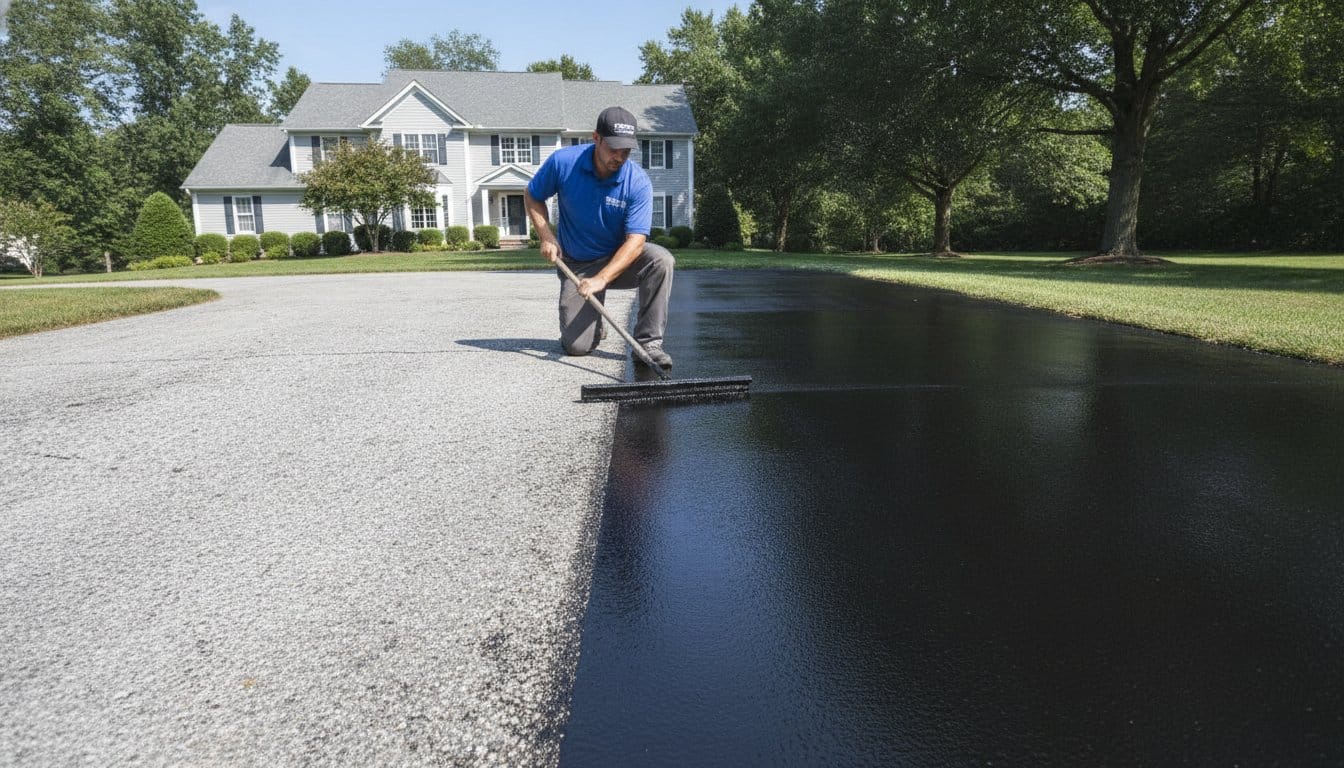
Sealcoating every few years protects the surface by creating a barrier against water infiltration and UV damage. The coating fills small cracks before they widen and shields the asphalt from the sun’s radiation that breaks down binding compounds. Properties that receive regular sealcoating see significantly longer service life from their installations.
The maintenance investment is modest compared to the cost of letting deterioration progress to the point where milling and overlay become necessary again. A properly maintained overlay should provide two decades of service under normal residential conditions.