How to Know What Your Driveway Actually Needs
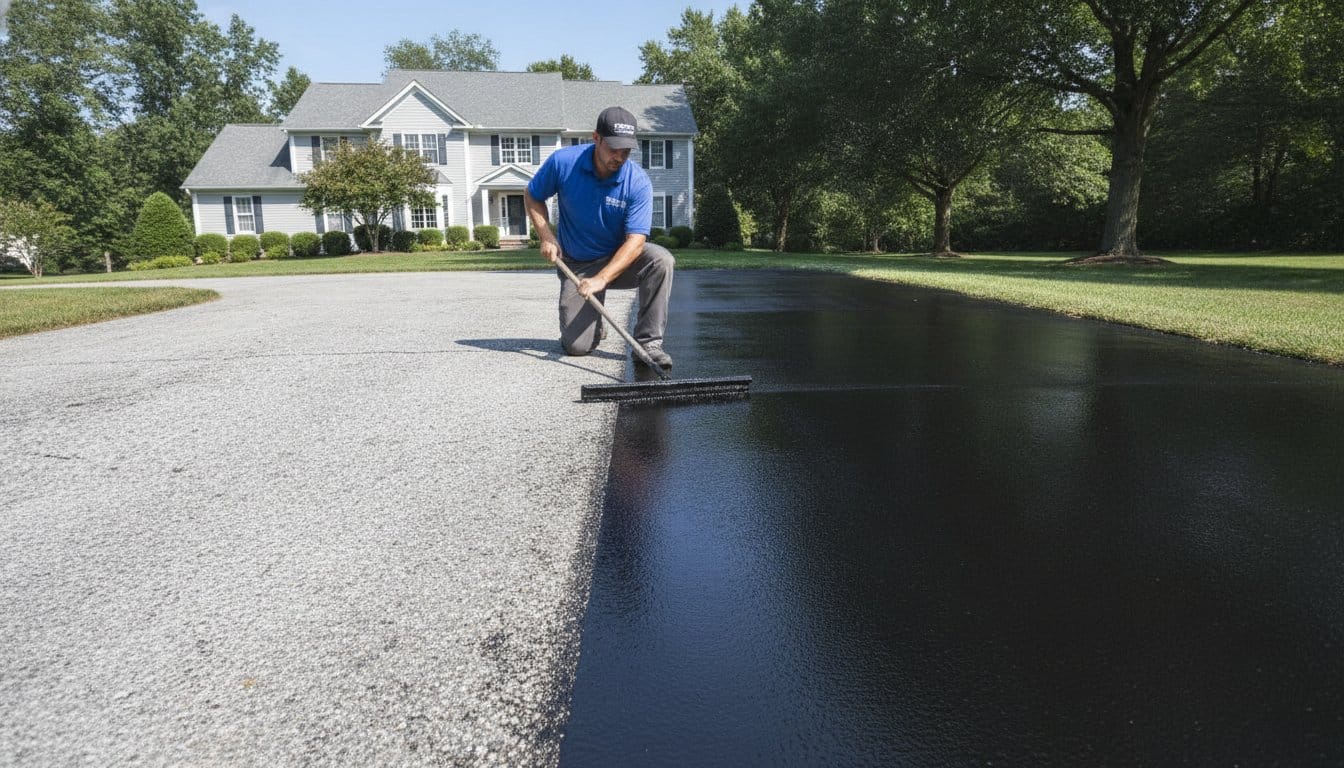
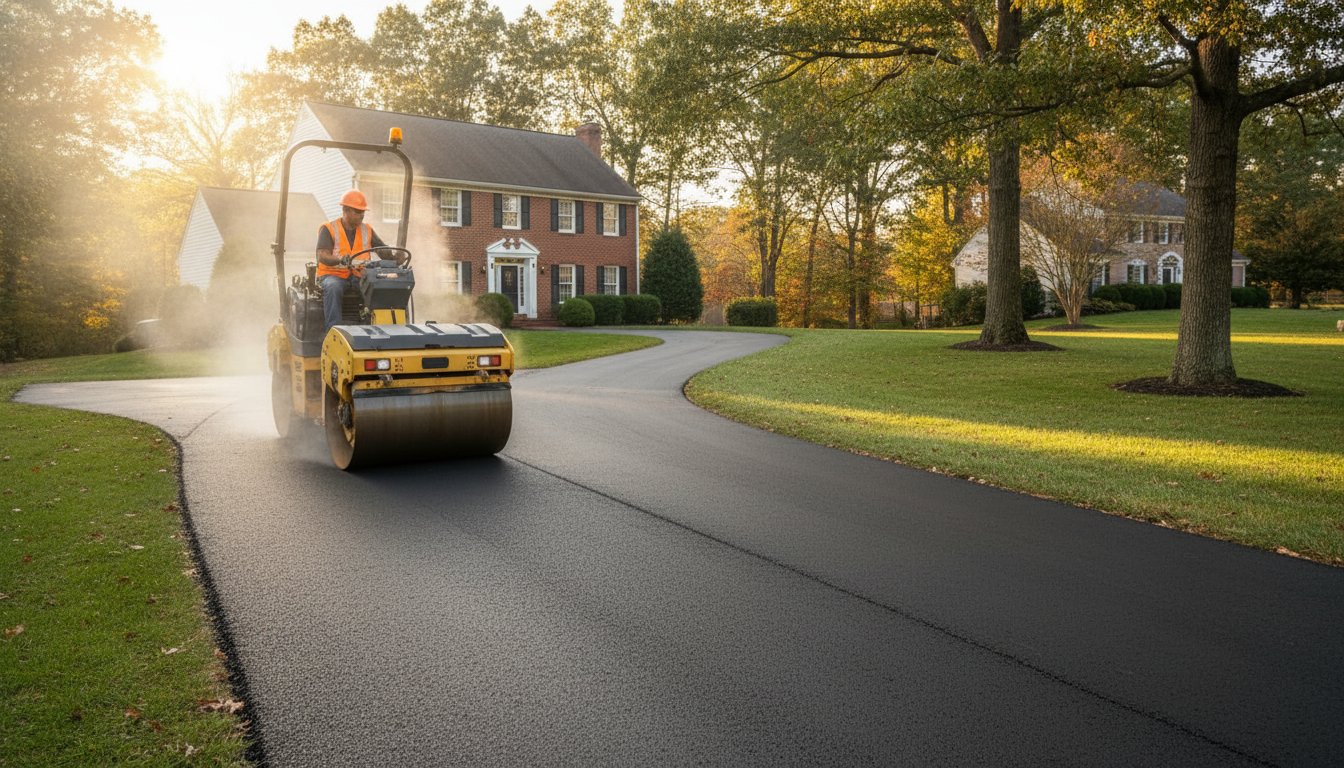
Most driveways that look rough can be resurfaced rather than replaced. That is the short answer, and for many homeowners in the Maryland suburbs, it is the right one. Resurfacing means grinding down or overlaying the existing asphalt with a fresh layer, typically one and a half to two inches thick. It addresses surface cracks, worn texture, and minor raveling without disturbing the base. When the underlying foundation is still sound, resurfacing extends the life of a driveway by ten to fifteen years at roughly a third to half the cost of full replacement.
The decision hinges on what is happening beneath the surface. If the problems you can see are confined to the top layer of asphalt, resurfacing is a legitimate long-term repair, not a temporary cover-up. If the base has failed, no amount of new asphalt on top will hold. Understanding which situation you are in is the central question, and a competent contractor should be able to walk you through the answer on-site.
What the Damage Is Telling You
Surface cracks, fading, minor pitting, and shallow raveling are signs of asphalt aging rather than structural failure. These are cosmetic and surface-layer problems that respond well to resurfacing. A driveway can look quite bad and still have a perfectly intact gravel base underneath.
The damage patterns that indicate a failed base are different in character. Alligator cracking, sometimes called fatigue cracking, produces a pattern that resembles the texture of lizard skin across larger sections of the driveway. This type of cracking signals that the asphalt has lost its structural integrity through repeated loading and, often, water infiltration into the base. Resurfacing over alligator cracking is a short-lived fix because the instability is coming from below.
Sunken areas, heaving, or sections that feel soft or spongy underfoot are additional indicators that the gravel base or the soil beneath it has been compromised, often by water that found its way in over years. Large potholes that have returned repeatedly after patching tend to follow the same pattern. These conditions warrant full removal and reconstruction.
Edge crumbling on its own is not necessarily a disqualifying factor, particularly in older driveways. Contractors can rebuild edges before resurfacing. The key is whether the interior of the driveway, where the vehicle load is concentrated, has retained its structural stability.
How Resurfacing Holds Up Over Time
A properly executed resurface on a structurally sound base will typically last eight to fifteen years. The range reflects variables including drainage conditions, traffic volume, the quality of the materials and installation, and how consistently the driveway is maintained with sealcoating every three to five years afterward.
A full replacement, assuming the same standard of materials and proper base preparation, typically carries a lifespan of twenty to thirty years. The gap in longevity is real, but so is the gap in cost. Full replacement in the Maryland market generally runs between eight and eighteen dollars per square foot depending on site conditions, access, and disposal costs. Resurfacing typically runs three to six dollars per square foot. For an average residential driveway of roughly 600 square feet, that can mean a difference of several thousand dollars.
Resurfacing is not a stall tactic if the underlying structure is sound. It is the correct repair for what is actually wrong with the driveway. Replacing a driveway with a stable base because the surface looks worn is the equivalent of replacing a car engine because the paint is fading.
When Full Replacement Is the Right Call
Replacement makes sense in three broad situations: when the base has failed and resurfacing would simply delay the inevitable at additional cost; when a driveway has already been resurfaced once or twice and has reached the limit of what overlay work can accomplish; or when the existing driveway has drainage problems that need to be corrected at the grade level, which requires starting from scratch.
Age alone is not a determining factor. A forty-year-old driveway with a stable base and surface-level wear may resurface beautifully. A twenty-year-old driveway that was poorly installed over an inadequate base may need full reconstruction. The condition of the base matters more than the calendar.
One practical indicator: ask the contractor what they find when they probe the damaged areas. A knowledgeable paving company will assess the base condition directly, not simply quote for the scope of work you asked about. If a contractor recommends full replacement without explaining why the base has failed, that is worth a follow-up question.
What to Do Before You Commit
Walk the driveway yourself before any contractor arrives. Press on the soft or cracked areas. Note whether the cracking is isolated or spread across multiple sections. Look at the edges and any low spots where water tends to pool. A driveway that holds puddles after rain is often dealing with a drainage issue that resurfacing alone will not resolve.
Get two estimates, and ask each contractor to explain their recommendation. The question to pose directly is: what is the condition of the base, and how did you determine that? A contractor who can answer that specifically is worth listening to. One who goes straight to price without addressing the structural question deserves more scrutiny.
Capital Paving and Sealcoating serves residential customers throughout Anne Arundel, Prince George’s, and Calvert counties. A site assessment will give you a clear picture of what your driveway actually needs before you commit to either option.
Frequently Asked Questions
How many times can a driveway be resurfaced before it needs full replacement?
Most driveways can be resurfaced once or twice over their lifetime before the accumulated asphalt thickness creates problems with grades at the garage door or sidewalk transitions. Each resurfacing adds roughly one and a half to two inches of height. After two overlays, the geometry of the driveway often makes further resurfacing impractical, and replacement becomes the cleaner solution regardless of base condition.
Does resurfacing work if my driveway has cracks running all the way through it?
Through-cracks on their own do not automatically disqualify a driveway from resurfacing. Contractors typically clean and fill cracks before applying the overlay. The relevant question is whether the cracking pattern indicates base failure. Isolated linear cracks, even deep ones, are different from widespread alligator cracking. A contractor should assess what is driving the cracking rather than treating all through-cracks as equivalent.
How long do I need to stay off the driveway after resurfacing?
Foot traffic is typically safe after 24 hours. Vehicle traffic should wait at least 48 to 72 hours, and longer in hot weather. Fresh asphalt remains pliable in high heat, and vehicle weight concentrated on small contact points, such as a kickstand or a jack stand, can leave permanent impressions for several weeks after installation. Turning the steering wheel while the vehicle is stationary should also be avoided during this period.
Is there a time of year that is better for driveway resurfacing in Maryland?
Asphalt installation requires ambient temperatures above 50 degrees Fahrenheit and a dry surface. In Maryland, that means the practical window runs from April through October, with late spring and early fall being optimal. Extreme summer heat does not prevent installation but can slow the curing process. Most reputable contractors will not pave over a wet surface regardless of temperature, since moisture trapped under new asphalt compromises adhesion.
Will my homeowners insurance cover driveway damage?
Standard homeowners policies in Maryland generally do not cover driveway deterioration from normal wear, age, or tree root damage. Coverage may apply in specific circumstances, such as damage caused by a vehicle accident or a covered weather event. Reviewing your policy declarations and speaking with your insurance agent before assuming coverage is the most reliable approach. Do not count on reimbursement until you have confirmed it in writing.